How Chattogram’s private off-dock depots (ICDs) handle LCL imports: why they exist, the off-dock import categories, the journey of a groupage container, how they differ from the Kamalapur rail ICD, and the depot charges that inflate a cheap LCL rate.
Category Archives: Import & Export Guides
Practical guides on importing and sourcing from China to Bangladesh – covering freight, customs, suppliers, quality control and trade costs from the DE International team.
A working guide to the six General Rules of Interpretation for HS classification: GRI 1 heading texts and Section/Chapter Notes, GRI 2 incomplete goods, GRI 3 essential character, and GRI 5-6 packaging and subheadings, applied to a Bangladesh clearance.
How Bangladesh’s concessionary import duty on agricultural machinery works: the SRO basis, the HS headings for tillers, harvesters and transplanters, the recommendation letters that condition the relief, and the mixed-consignment trap.
How anti-dumping and countervailing duties work in Bangladesh: the Customs Act sections 18B-18D, the BTTC’s role as designated authority, the investigation sequence, provisional-duty timing risk, and the product families most exposed.
Sight versus usance letters of credit for Bangladeshi importers: how each payment cycle works, who bears the cost of deferral, UPAS, and how to match the tenor to your cash conversion cycle.
How back-to-back letters of credit let export-oriented Bangladeshi garment factories import fabric and trims from China on deferred terms and duty-free under a bonded warehouse licence.
A refrigerated container has no power of its own — it must be plugged in at every stage, and the road leg needs a diesel genset. Where the power comes from from China cold store to Dhaka warehouse, and the failure points to design out.
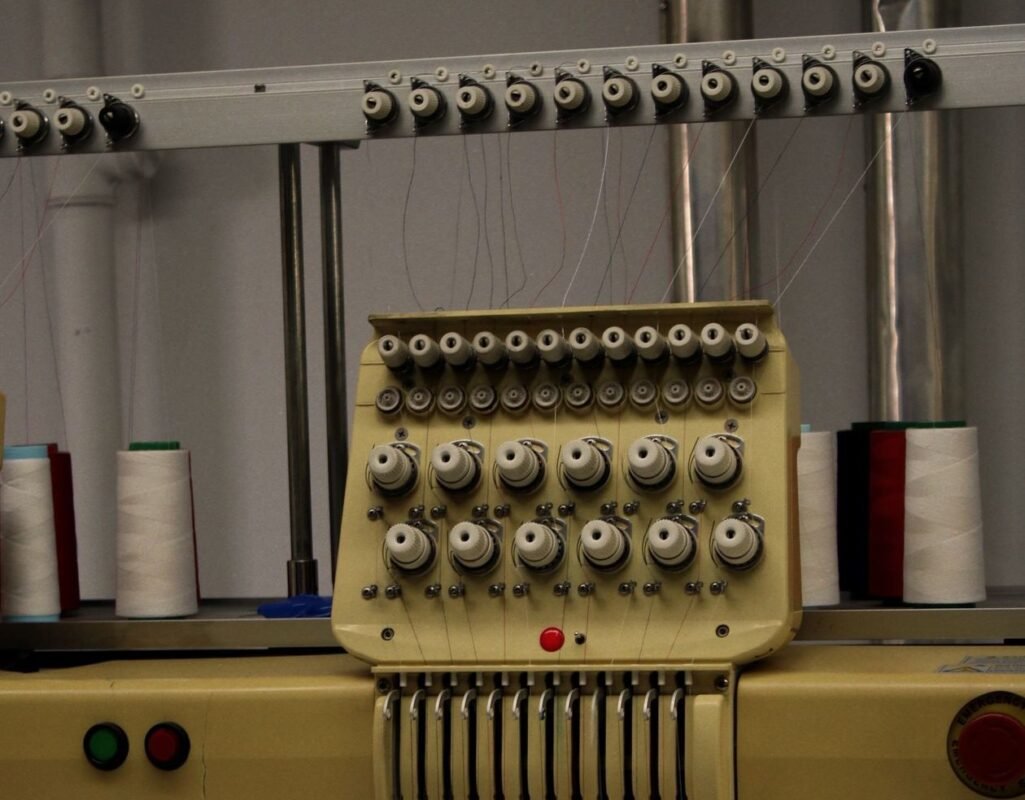
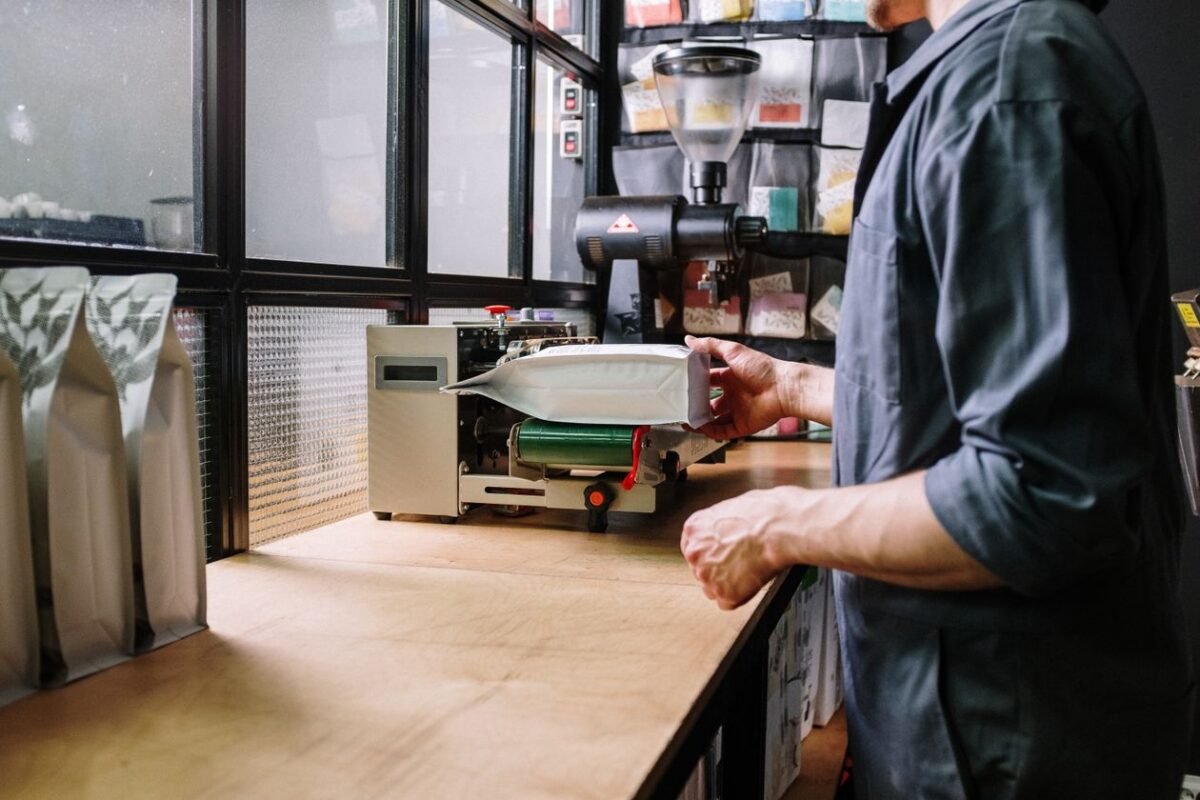
Presses, die-cutters, laminators and form-fill-seal lines are heavy, oversized and full of parts that hate a rough voyage. Crating, container choice, loading supervision, customs classification and the last-50-metres problem — what to get right.
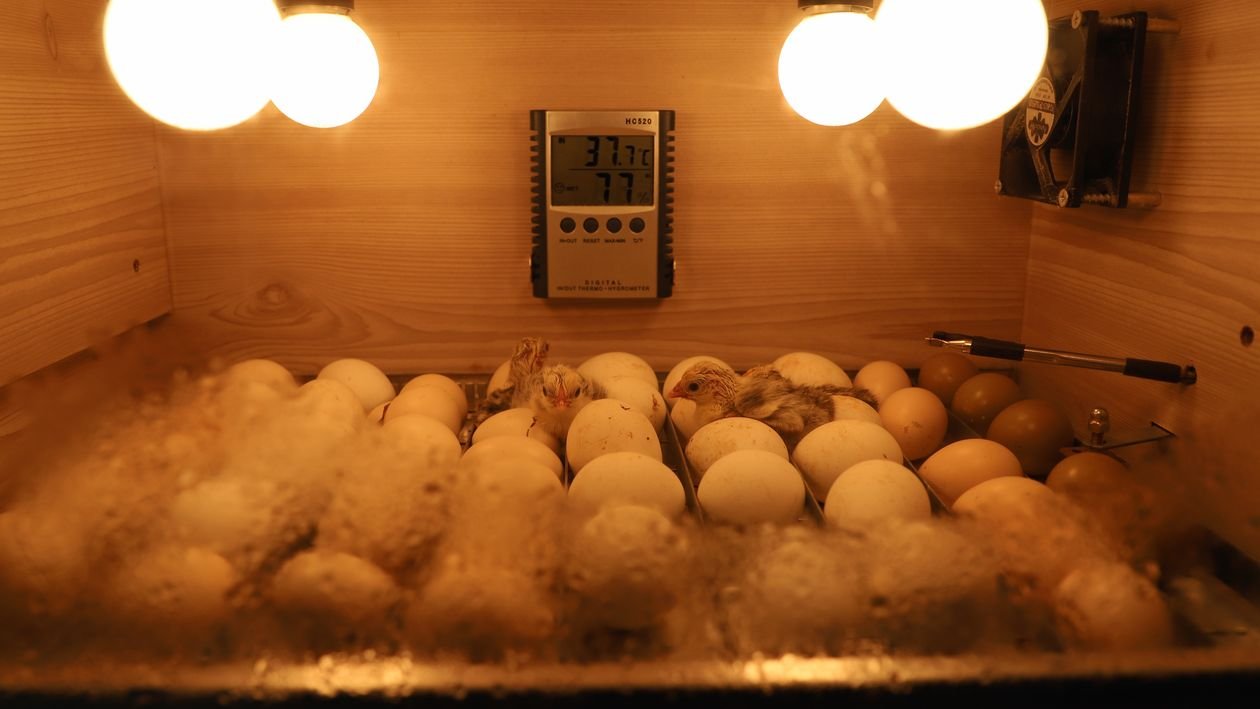
Table potato needs to stay dormant without sweetening; seed potato needs to stay dormant and then be woken on schedule. Why the holding temperatures differ, why sprout suppressant is banned on seed, and how to plan a store that handles both.
Slow-moving, obsolete and dead stock are three different problems with three different fixes. How to flag them in your stock report, the ladder of ways to recover cash, and the difference between a write-down and a write-off.