
Import & Export Guides
Cold Chain for Farmed Freshwater Fish in Bangladesh: Rui, Pangas and Tilapia from Pond to Market
Oct
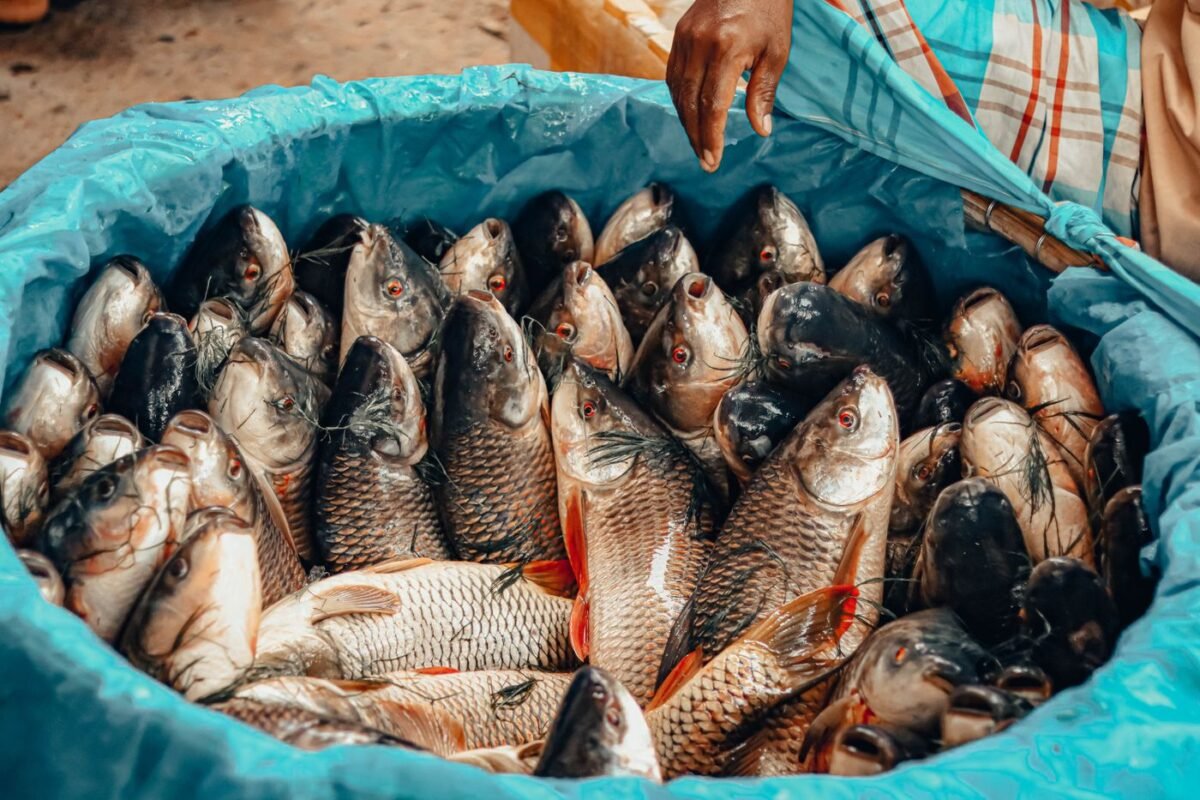
Bangladesh is one of the largest inland aquaculture producers in the world, and farmed fish from districts such as Mymensingh, Jashore, Cumilla and Bogura feed markets across the country every day. Yet most of that fish travels the way it did decades ago: pulled from the pond, loaded into open drums or trucks, and sold at a market where buyers judge freshness by eye. Much of the quality loss, and a good share of the public worry about chemical preservatives, comes from what happens in the hours between harvest and sale.
This guide looks at the cold chain specifically for farmed freshwater fish, rui, katla, mrigel, pangas, tilapia and similar species, and how producers, traders and retailers can protect quality with fairly simple equipment.
Why fish quality falls so quickly in Bangladeshi conditions
Fish spoil faster than most meat because their muscle contains less connective tissue, their enzymes stay active at lower temperatures, and the bacteria on their skin and gills are adapted to water temperatures. In hot weather, the clock runs very fast. Fish left in the sun on a pond bank or in an open truck can lose noticeable freshness within hours.
The spoilage process has two main drivers: the fish’s own enzymes breaking down tissue, and bacteria multiplying on the surface and in the gut. Both slow dramatically as temperature falls towards 0°C. That is the whole logic of a fish cold chain: bring the fish as close to melting-ice temperature as quickly as possible, and keep it there without interruption until it is cooked or frozen.
When the cold chain is missing, some sellers turn to formalin or other illegal preservatives to make fish look fresh longer. A reliable cold chain removes the commercial pressure behind that practice, which is good for public health and for the reputation of honest traders.
Harvest practice: quality starts at the pond
Good handling before the fish ever touches ice makes a large difference:
- Withhold feed for a period before harvest, as experienced farmers already do. An empty gut means fewer bacteria and enzymes close to the flesh, and the belly cavity stays firm longer.
- Harvest in the early morning, when water and air are coolest.
- Avoid dragging nets for long periods. Exhausted, stressed fish enter rigor mortis sooner and their shelf life is shorter.
- Move fish into ice slurry or onto ice immediately. Chilling quickly after death delays rigor and keeps the flesh firmer.
- Keep fish out of direct sun at every step, including the pond bank.
For species sold live, such as koi or shing, the goal is different: oxygen, water quality and low stocking density in transport tanks. This article focuses on fish sold dead and chilled, which is the bulk of the carp and pangas trade.
Icing correctly: amount, type and layering
Ice is the cheapest refrigeration available, but how it is used matters. Guidance from organisations such as the FAO on fish handling stresses a few principles that apply directly in Bangladesh:
- Use enough ice that fish remain surrounded by ice throughout the journey, with spare ice still present on arrival. In hot weather and on long routes, much more ice is needed than many traders use. The right quantity depends on the journey time, the container insulation and the weather.
- Use small ice particles. Flake ice or finely crushed block ice gives close contact and cools faster. Large lumps leave air gaps and can bruise the flesh.
- Layer ice and fish alternately: ice on the bottom, a layer of fish, ice, fish, and a thick layer of ice on top.
- Do not pile fish too deep in one container. The weight crushes the bottom layer.
- Let meltwater drain away. Fish sitting in dirty meltwater pick up bacteria; the container should have a drain.
Our article on block, tube and flake ice plants explains the trade-offs if you are considering making your own ice at a farm cluster or depot.
Insulated containers and transport
The jump from open drums to insulated fish boxes is often the most affordable upgrade in the whole chain. Insulated plastic fish boxes hold ice far longer than uninsulated drums, stack neatly, and can be washed and reused. For larger volumes, an insulated or refrigerated truck body keeps the whole load cold, not just the inside of each box.
| Option | Strengths | Limitations |
|---|---|---|
| — | — | — |
| Open drum with ice | Cheap, already familiar | Ice melts fast, no drainage, hard to clean |
| Insulated fish box with ice | Holds ice longer, stackable, cleanable | Upfront cost, needs return logistics |
| Insulated truck body with iced boxes | Protects the whole load from heat | Vehicle cost, still relies on ice |
| Refrigerated (reefer) truck | Active cooling on long routes | Highest cost, needs maintenance and fuel |
For routes from Mymensingh or Jashore to Dhaka and Chattogram, the right choice depends on volume, journey time and the price premium the buyer pays for better quality. Our guide to reefer trucks in Bangladesh covers vehicle options.
Holding at the depot, wholesaler and retailer
Arrival at the wholesale market is where many cold chains break. Fish is unloaded onto the floor, sorted in the heat, and resold into another open container. A small chilled holding room at the depot, or a mini cold storage for wholesale market vendors, lets traders keep iced fish at stable temperature between auction and dispatch.
Retailers can protect quality with insulated display trays on crushed ice, regular re-icing through the day, and an insulated chest or small chiller for overnight stock. Supermarkets and online fish sellers in Dhaka increasingly sell cleaned, portioned and chilled fish, which needs a proper chiller and hygienic processing table rather than just ice.
Value addition: chilled fillets, steaks and frozen products
The cold chain also opens new products. Pangas fillets, cleaned and cut rui steaks, and vacuum-packed portions sell to supermarkets, restaurants and home buyers who want convenience. These products need:
- A clean processing area with stainless steel tables, water supply and drainage.
- A chiller room for fresh products and a freezer, ideally with a blast freezer, for frozen ones. See blast freezing vs sharp freezing.
- Packaging equipment such as vacuum sealers and labelling.
- Traceability: which pond, which harvest date, which batch.
Each step adds cost, and whether it pays back depends on your buyers and volumes. We can source processing tables, freezers, ice machines and packaging equipment from China, but the business case needs to be built around your own numbers; ask us for a quote built around your specific volumes.
Common mistakes and their consequences
- Too little ice on a long route: fish arrive warm in the middle of the load, and the whole consignment loses value.
- Fish left on the pond bank while netting continues: early fish spoil faster than late fish, creating uneven quality.
- No drainage in containers: fish soak in dirty meltwater and smell earlier.
- Re-using unclean boxes: bacteria from the last load contaminate the next.
- Breaking the chain at the market: good transport is wasted if fish sit unchilled for hours on arrival.
- Freezing fish that are already stale: freezing preserves quality, it does not restore it.
Where to start
For most farmers and traders, the realistic sequence is: better harvest practice, then more and better ice, then insulated boxes, then a chilled holding room at a key point, and only then refrigerated vehicles and processing. Each step is valuable on its own, and each makes the next one easier to justify.
DE International sources ice machines, insulated fish boxes, mini cold rooms, blast freezers and processing equipment from China and delivers them door to door in Bangladesh. See our services, browse the shop, use our China sourcing and buying agent service, or contact us. Related: cold storage for fish, meat and frozen foods and reducing post-harvest loss.
