
Import & Export Guides
Storing Potatoes for Chips and Fries in Bangladesh: Cold Sweetening, Reconditioning and Fry Colour
Oct
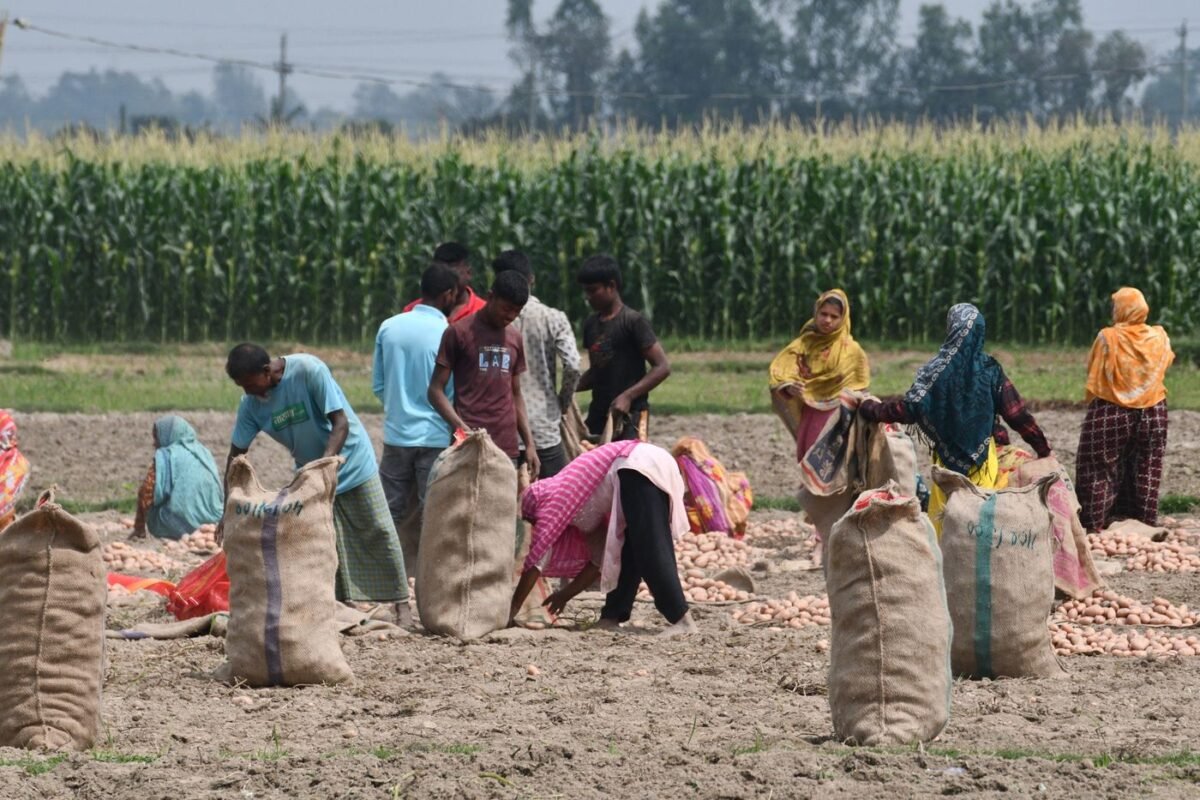
Bangladesh grows far more potatoes than it eats fresh in the harvest season, and the country’s cold stores, concentrated in the northern districts such as Rangpur, Bogura, Joypurhat and Munshiganj, exist mainly to carry table potatoes into the months when fresh supply runs out. That system works well for potatoes that will be boiled or cooked in curry. It works badly for potatoes that will be sliced and fried into chips or French fries, and many snack makers, restaurants and small processors learn this the hard way when their first batch from cold storage comes out of the fryer dark brown and bitter.
This article explains why that happens, what storage conditions processing potatoes need, and what options exist for growers, cold store owners and processors who want to serve the snack and food-service market.
Why cold-stored potatoes fry dark
A potato tuber is a living organ that stores energy as starch. When it is kept cold, its metabolism shifts: some starch is broken down into sugars, including the reducing sugars glucose and fructose. Plant scientists call this cold-induced or low-temperature sweetening. It is thought to be a natural protective response, since sugars help the tissue tolerate cold.
When a slice with high reducing sugar content is fried, those sugars react with amino acids in the potato (the Maillard reaction). A little of this reaction gives an attractive golden colour. Too much gives dark brown or black chips with a bitter, burnt taste. The same reaction, involving the amino acid asparagine, also forms acrylamide, a compound that food safety authorities in many countries advise manufacturers to minimise. So high sugar is both a quality problem and a food safety concern.
The cold, near-freezing conditions that keep table potatoes firm and sprout-free for many months are exactly the conditions that drive sugar up. That is the core conflict between table storage and processing storage.
What processing potatoes need instead
Processors generally store potatoes warmer than table potato stores, in the range where sweetening is much slower, and accept that sprouting then needs to be controlled by other means. The exact setpoint depends on the variety, how long the potatoes will be held and the product being made, and processors usually set it by testing their own stock rather than relying on a single published figure. The key differences from a typical table potato store are:
| Factor | Typical table potato store | Store for chips and fries |
|---|---|---|
| — | — | — |
| Temperature | Cold, to stop sprouting and rot for many months | Warmer, to limit sugar build-up |
| Sprout control | Mostly achieved by cold alone | Needs another method because the store is warmer |
| Humidity | High, to limit shrinkage | High, to limit shrinkage |
| Ventilation | Basic | Good, even airflow and CO2 removal matter |
| Quality check | Visual: rot, sprouts, shrinkage | Fry tests and sugar checks before use |
Because a single big cold store usually runs one temperature for everyone, processing potatoes stored alongside table potatoes will normally end up too cold. That is one reason processors increasingly look at a dedicated chamber or a separate smaller store. Our article on multi-chamber mini cold storage design explains how one facility can run different temperatures side by side.
Variety and raw material quality matter first
No storage regime can turn an unsuitable variety into good chip stock. Processing varieties are bred for high dry matter, low reducing sugars and a shape suited to slicing. In the region, varieties such as Lady Rosetta have been used for chip production, while many popular table varieties are not suited to frying. Growers supplying processors usually grow under contract, with the processor specifying the variety and buying on quality criteria.
Other raw material points that affect frying quality:
- Maturity at harvest: immature tubers tend to have higher sugars. Letting the crop mature properly in the field helps.
- Dry matter or specific gravity: processors often measure this, because higher dry matter means crisper chips and less oil uptake.
- Curing after harvest: a period at moderate temperature with good humidity lets skins set and small wounds heal before storage.
- Bruising and damage: damaged tubers lose more weight and rot more easily in a warmer store.
Reconditioning: what it can fix and what it cannot
If potatoes have been stored cold and their sugar has risen, processors can sometimes bring it down by reconditioning: moving the stock to a warmer room for a period so the tuber converts some sugar back into starch and uses some through respiration. This can noticeably improve fry colour, and it is a recognised practice in the processing industry.
However, reconditioning has limits:
- It takes time, typically measured in weeks rather than days, so it must be planned into the production schedule.
- Results vary by variety and by how long and how cold the potatoes were held. Some lots improve a lot, others only a little.
- Warm conditions encourage sprouting, which brings its own problems.
- It cannot fix senescent sweetening, the sugar rise that happens when potatoes simply get old towards the end of their storage life. That type is largely irreversible.
The practical lesson is to run fry tests before and during reconditioning, rather than assuming a fixed number of days will work.
Sprout control in warmer stores
Once potatoes are stored warm enough to keep sugars down, sprouting becomes the main threat. Internationally, the sprout suppressant chlorpropham (CIPC) was widely used for decades, but it has been withdrawn in the European Union, and the industry has moved towards alternatives such as spearmint oil, ethylene and other registered products. What is permitted and available in Bangladesh is a regulatory question; check with the Department of Agricultural Extension and your processor before applying any chemical treatment to potatoes destined for food. Do not import or use a product simply because it is common elsewhere.
Ventilation also matters in a warm store. Potatoes respire, producing heat and carbon dioxide; a closed, poorly ventilated room can build up CO2 that affects fry colour as well as tuber health.
Fry testing: a simple quality routine
Processors check stored stock by frying sample slices or strips under standard conditions and comparing the colour against a reference chart. Many use published colour charts for chips and fries so that results can be compared between batches and between staff. A simple routine for a small processor or a cold store serving one:
- Take samples from several positions in the store, not just near the door.
- Fry under the same oil temperature and time each test.
- Record colour score, date, lot and chamber temperature.
- Test again after any change in storage temperature or after reconditioning starts.
These records let you see trends early, before a whole lot is committed to production.
Common mistakes
- Storing chip potatoes in the same cold room as table potatoes: sugars rise and fry colour fails.
- Assuming reconditioning always works: some lots, especially old ones, will not recover.
- Using untested table varieties for chips: dark colour and high oil uptake no matter how they are stored.
- Skipping curing: more rot and weight loss once stored warm.
- Applying sprout suppressants without checking local regulation: food safety and legal risk.
Equipment and next steps
A processing-potato chamber needs accurate temperature control, good humidity, even airflow and ventilation, plus monitoring. Many of the components, insulated panels, refrigeration units, evaporators sized for high humidity, ventilation fans and data loggers, can be sourced from China. Costs and the right configuration depend on the volume you need to hold and for how long, so ask us for a quote built around your specific volumes and storage period.
DE International sources cold storage rooms, controllers, ventilation and processing equipment from China and delivers door to door in Bangladesh. See our services, browse the shop, use our China sourcing and buying agent service, or contact us. Related: seed potato vs table potato storage, cold storage for potatoes and vegetables and snack production machines for startups.
