
Import & Export Guides
Mini Cold Storage for Imported Fruit Traders in Bangladesh: Apples, Grapes and Citrus
Sep
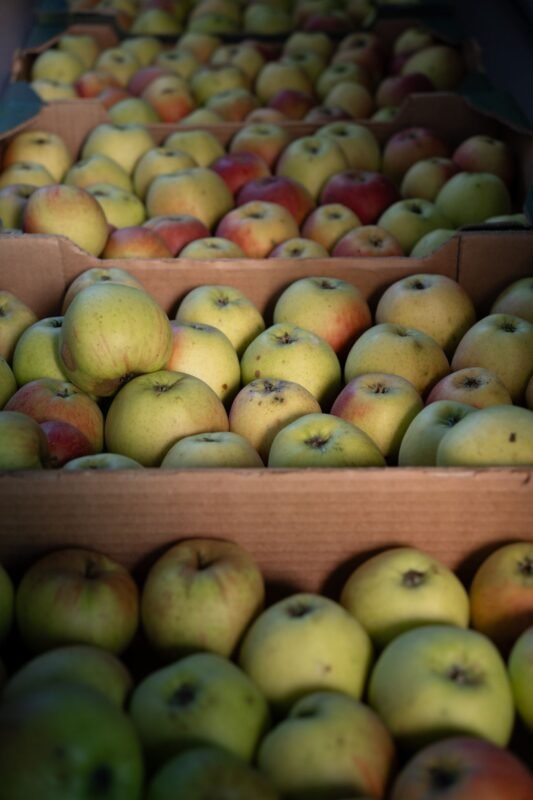
Walk through a fruit wholesale area such as Badamtoli in Old Dhaka during the import season and you will see the same pressure everywhere: cartons of apples, grapes, oranges, malta and pears arriving by the truckload, and traders racing to sell before quality drops. Imported fruit has already spent weeks in a reefer container, and the moment it leaves the cold chain its remaining shelf life starts running out much faster. For a trader, a small cold room is not a luxury. It is what turns a forced sale at whatever price the market offers today into a choice about when to sell. This guide looks at mini cold storage specifically from the point of view of imported fruit traders and distributors.
Why imported fruit behaves differently from local produce
Locally grown fruit usually reaches the market within days of harvest. Imported fruit has a much longer history before it reaches you: harvest, packing, cold storage at origin, container stuffing, a sea voyage, port dwell time at Chattogram, customs clearance, and then inland haulage. Every one of those stages consumed part of the fruit’s storage life. By the time a carton reaches a Dhaka warehouse, the question is not “how long can this fruit last?” but “how much life is left, and how fast am I using it?”
That is why the break in the cold chain between the port and the trader matters so much. Fruit that travelled cold from the orchard and then sits in a hot warehouse for a few days loses condition quickly — softening, shrivelling, rot spreading from damaged pieces, and for grapes, stems browning and berries dropping. A mini cold room lets the trader continue the cold chain that the exporter and shipping line started, rather than undoing it at the last step.
Different fruits, different storage needs
The biggest technical mistake in a fruit trader’s cold room is treating every fruit the same. The main imported fruits fall into groups with genuinely different needs:
- Apples and pears generally store best close to freezing with high humidity, and they give off ethylene gas, which speeds up ripening and ageing in other produce nearby.
- Table grapes also prefer very cold, humid conditions, and are often packed with sulphur dioxide pads by exporters to control grey mould. Those pads should stay in the cartons; removing them to “inspect” the fruit shortens its life.
- Oranges, malta and mandarins are citrus, and many citrus types are sensitive to chilling injury if held too cold for too long — showing as pitting and brown spots on the peel.
- Fruits bought for ripening, such as some imported kiwifruit or bananas, need controlled warmer conditions and sometimes ethylene treatment rather than simple cold storage.
Exact setpoints vary by variety, origin and how long the fruit has already been stored, so the safest reference is the temperature the exporter used in the reefer container — it is printed on the reefer booking and often on the carton or the packing list. If you plan to hold several groups at once, the honest answer is often two small rooms at different settings rather than one larger room at a compromise temperature that suits nothing well. Our guide to controlled atmosphere storage explains why ethylene and mixed loads matter, and the citrus chilling injury guide covers the citrus side in more depth.
The receiving moment: where most value is lost
In our experience talking with traders, a lot of loss happens in the first hours after the fruit arrives rather than during storage. A reefer truck or container is opened in the afternoon heat, cartons are stacked on the pavement while labourers are organised, and then everything is pushed into the cold room at once. Warm, sweating cartons loaded in bulk overload the refrigeration system, the room temperature climbs, and condensation forms on the fruit — an ideal start for mould.
A better routine is simple: plan unloading for the cooler part of the day where possible, move cartons into the room in batches rather than all at once, stack them on pallets with gaps for air to circulate, and do not block the evaporator’s airflow with a solid wall of cartons. Our article on airflow, stacking and clearance shows why the gap between cartons matters as much as the setpoint on the controller. Check a few cartons from each lot on arrival, remove any obviously rotten pieces, and note the lot’s condition so you know which stock to sell first.
Sizing the room around how you actually trade
Fruit traders often size a cold room by asking “how many cartons do I buy at once?” A more useful question is “how many cartons do I need to hold back at any time to sell on my terms?” A trader who buys a container load but sells most of it to other wholesalers within a day or two does not need a room for the whole container. A distributor who supplies supermarkets and fruit shops over a couple of weeks needs space for a rolling stock of several lots.
Other sizing factors are specific to fruit: cartons need pallet space and air gaps, not just floor area; you need an aisle to reach the oldest stock first; and if you run more than one temperature zone, each zone must be sized separately. The heat load from warm incoming fruit also matters more than the room volume — a room that receives a large warm batch every day needs more refrigeration capacity than one that is loaded once and left alone. We cover the method in our sizing guide and heat load calculation guide. Rather than guess at a capacity figure, share your typical lot size, turnover and fruit mix with us and we can suggest a configuration.
Humidity, hygiene and the problem of odours
Fruit loses weight as water evaporates through its skin, and weight loss is directly lost money for a trader who sells by the kilogram. Keeping humidity high reduces this, but a very humid room also needs good hygiene, because mould spores thrive in it. Regular cleaning of floors, walls and shelving, removing rotten fruit promptly, and keeping drain lines clear make a noticeable difference. Our guide to humidity control explains the balance, and cleaning, sanitising and odour control covers the routine.
Odour is a less obvious issue. Apples and citrus readily absorb smells from other products. A trader who stores onions, garlic, fish or even strongly scented cleaning chemicals in the same room may find the fruit picks up an off-flavour. Keep fruit rooms for fruit.
Power cuts and what happens to fruit when the room warms up
Short power interruptions are part of life in many parts of Bangladesh. A well-insulated room with the door kept shut holds its temperature for a while, but repeated warming and cooling cycles cause condensation on fruit and speed up decay. For a trader holding high-value imported fruit, backup power is part of the investment rather than an extra. The options — generator changeover, voltage protection and in some cases solar support — are covered in our articles on backup power for mini cold storage and voltage protection and earthing. A simple habit that costs nothing: during an outage, keep the door closed and do not load new warm stock until power returns.
Common mistakes fruit traders make with cold rooms
- Mixing apples with ripening-sensitive produce. Ethylene from apples can shorten the life of other fruit and vegetables in the same space.
- Setting one temperature for everything. Citrus held at an apple setting may show chilling injury; apples held at a citrus setting age faster.
- Opening the door constantly. Frequent opening for small sales lets in warm humid air. A small staging area or strip curtain reduces the loss.
- No stock rotation. Without a first-in, first-out routine, the oldest lot is found at the back of the room after it has spoiled. See our FIFO vs FEFO guide.
- Buying on refrigeration capacity alone. Panel quality, door seals and floor insulation decide how well the room holds temperature just as much as the compressor does. Our buying mistakes guide covers this.
If you also import the fruit yourself rather than buying from an importer, our guide to importing fresh fruit from China by reefer covers the shipping side, including plant quarantine and reefer settings.
DE International supplies mini cold storage units and cold room components from China for Bangladeshi traders, and can help plan zones, sizing and backup power around your fruit mix. See our services, the China sourcing and buying agent service, the shop, or contact us — costs depend on your specific size and configuration, so ask us for a quote built around your needs.
