
Import & Export Guides
Monsoon Flood and Waterlogging Preparedness for Warehouses in Bangladesh
Sep
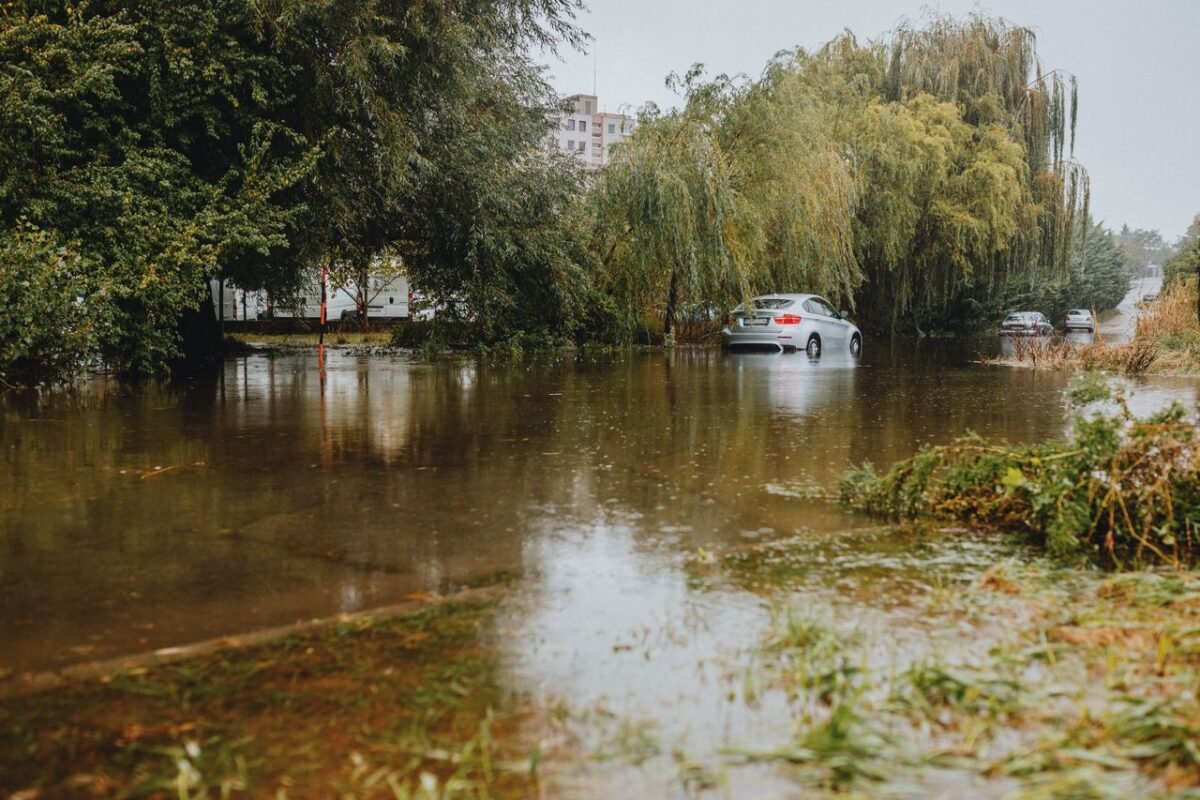
Every monsoon, parts of Chattogram and Dhaka go under water. A few hours of heavy rain can leave roads in industrial and commercial areas waterlogged, and when drainage cannot keep up, water finds its way into ground-floor warehouses and godowns. For an importer, a single flooding event can destroy months of stock: cartons soaked from the bottom up, electrical goods short-circuited, food products contaminated, and labels washed off so that nothing can be identified. Unlike fire, flooding in many locations is not a rare event but a seasonal certainty, which means it can be planned for.
This guide sets out practical steps to protect a warehouse and its stock from monsoon waterlogging and flooding, from choosing a site to preparing for an insurance claim.
Start with the site: history beats assumptions
The most effective flood protection is choosing a building that does not flood. Before signing a lease, find out what happened to that building and street in previous monsoons. Neighbouring businesses, security guards and local shopkeepers usually know exactly how high the water reached and how long it stayed. Look for water marks on walls, rust lines on shutters and damp damage at the base of internal walls.
Check the plinth height of the building — the height of the warehouse floor above road level — and whether the road itself has been raised over the years, which can leave older buildings below street level. Look at the drainage outside: blocked or undersized drains are a common cause of local waterlogging. A slightly higher rent for a building on higher ground can be far cheaper than a single flooded season. Our guide to choosing a warehouse location covers the other factors.
Keep stock off the floor
Water damage starts at the bottom. Goods stacked directly on the floor are the first to be ruined, and cartons act like sponges, wicking water upwards into the stack. The basic defences are simple and inexpensive:
- Store everything on pallets, never directly on the floor, even in areas that have never flooded.
- Keep the lowest rack level for goods that tolerate moisture, or leave it empty during the monsoon months.
- Store the most water-sensitive and highest-value goods — electronics, paper products, food, pharmaceuticals — on upper levels.
- Wrap pallets of sensitive goods in plastic stretch film to slow water entry.
- Keep a clear gap between stock and external walls, where seepage appears first.
Racking, rather than floor stacking, makes this much easier. See our comparison of pallet racking versus floor stacking.
Before the monsoon: a preparation checklist
Preparation needs to happen before the rains begin, not when the first warning is issued. A pre-monsoon check should cover:
- Drains and gutters. Clear roof gutters, downpipes and the drains around the building. Blocked drains are the most common cause of avoidable flooding.
- Roof and walls. Inspect for leaks and cracks; roof leaks damage stock even when there is no ground flooding.
- Electrical installations. Distribution boards, sockets and equipment chargers located near floor level should be raised where possible. Water and live electrical systems are a serious safety risk.
- Flood barriers. Keep sandbags or removable flood boards ready for doorways and shutters, and know who will place them.
- Pumps. A portable pump, tested and fuelled, can remove water that gets in before it reaches stock.
- Stock position. Move vulnerable goods up, and reduce stock levels of sensitive items if the business allows it.
When heavy rain or a warning comes
The Bangladesh Meteorological Department issues heavy rainfall and cyclone warnings, and in coastal areas such as Chattogram cyclone signals are a regular part of the season. Assign responsibility in advance: who monitors warnings, who decides to activate the flood plan, and who is called in at night. When a warning is issued, place the barriers, switch off power to ground-level circuits if water is expected to enter, move remaining vulnerable stock up, and make sure the stock records and key documents are safe — ideally stored digitally off-site so that a flooded office does not also mean lost records.
Inbound and outbound transport is affected too. Waterlogged roads can stop trucks reaching the warehouse or the port for a day or more. If you have containers arriving at Chattogram during a period of heavy rain, allow for delays in collection, and talk to your C&F agent about how free time will be managed; our guide to free time at Chattogram port explains why this matters.
Different goods, different risks
Not all stock suffers equally from water, and the plan should reflect what you actually hold. Electrical and electronic goods can be ruined by contact with water or even by prolonged high humidity, and wet electrical goods should never be powered up until checked. Food products that have been in contact with floodwater are generally treated as contaminated, even if the packaging looks intact, because floodwater carries sewage and chemicals. Paper, cardboard packaging and printed materials lose strength and shape quickly, and wet cartons collapse under stacks, damaging goods that were never touched by water.
Metal goods such as tools, hardware and machine parts may survive immersion but begin corroding within days unless dried and treated. Textiles can often be recovered if dried quickly but develop mould and odour if left damp. Knowing this in advance tells you what to move first when water is coming, and what to inspect first afterwards.
Insurance: check what your policy actually covers
Many warehouse operators assume their fire insurance covers everything. It often does not. Standard fire policies in Bangladesh cover defined perils, and flood, inundation and cyclone damage are typically additional perils that must be added to the policy. Read your policy schedule, not the summary, and confirm with your insurer whether flood and storm are covered, what excess applies, and whether stock is covered at cost or selling value. Coverage terms vary by insurer and policy, so we cannot tell you what yours includes — only your policy documents can. Our article on warehouse fire safety and insurance covers the broader insurance picture.
After a flood: protecting your claim
What you do in the first days after water enters the warehouse affects both recovery and any insurance claim:
- Ensure the building is electrically safe before anyone enters standing water.
- Notify your insurer immediately, as policies have notice requirements.
- Photograph and video everything before moving or cleaning, including water level marks.
- Do not discard damaged goods until the insurer or their surveyor has seen them or agreed in writing.
- Separate damaged, doubtful and undamaged stock, and record quantities by product and batch.
- Dry out the building and check for mould before returning stock; damp cartons stored in a damp building will continue to deteriorate.
Batch-level records make this far easier, because you can prove exactly what was in the affected area. See our guide on lot and batch traceability.
Common mistakes and their consequences
| Mistake | Consequence |
|---|---|
| Leasing without checking flood history | Seasonal flooding becomes a recurring loss |
| Stock placed directly on the floor | Bottom layers destroyed and water wicks up through stacks |
| Assuming fire insurance includes flood | Uninsured loss when the claim is declined |
| Discarding damaged goods before survey | Claim reduced or rejected for lack of evidence |
| Stock records kept only in the warehouse office | Records lost in the same event as the stock |
DE International offers warehousing support for importers and can help plan storage and delivery around the monsoon season. Costs depend on location, volume and services, so ask us for a quote built around your needs.
Work With DE International
Related guides: pest control and moisture, warehouse security and stock safety, warehouse storage options, and warehouse lease clauses. See our services, the China sourcing agent service and shop, or contact us.
