
Import & Export Guides
Preventing Rust and Corrosion on Steel, Machinery and Spare Parts in Bangladeshi Warehouses
Oct
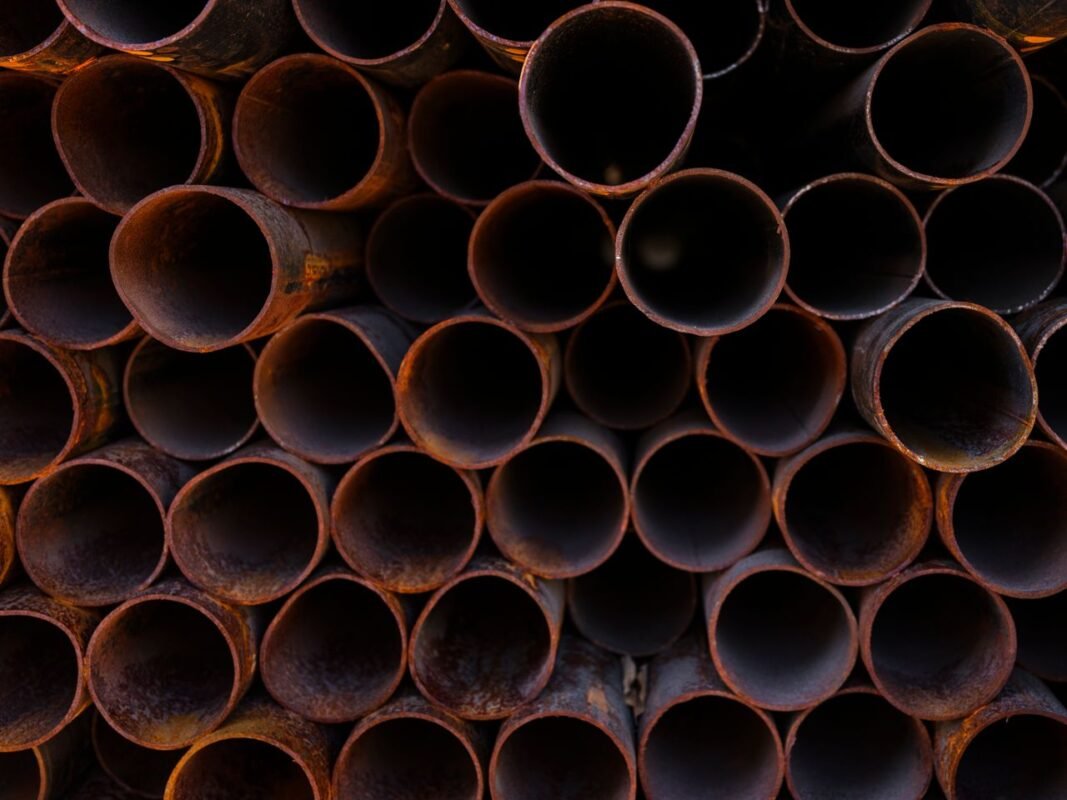
Steel pipes, sheets, fasteners, machinery, spare parts, tools and hardware arrive from China in good condition, go into a warehouse, and a few weeks later show orange spots, white powder on galvanised surfaces, or a dull film on machined parts. For buyers, rust is not just cosmetic: rusted fasteners are rejected by contractors, corroded machine surfaces can affect fit and function, and customers assume rusted stock is old or poor quality. In Bangladesh’s humid climate, corrosion in storage is one of the most common causes of value loss on metal goods.
The good news is that corrosion in storage is largely preventable. It follows predictable physical rules, and once you understand them, a few disciplined habits make a large difference.
Why metal rusts faster in Bangladeshi warehouses
Steel rusts when iron reacts with oxygen in the presence of water. In a dry environment the reaction is very slow; once a film of moisture forms on the surface, it speeds up considerably. Bangladesh has long periods of high humidity, especially during the monsoon, and many warehouses are not climate-controlled. That alone raises the risk.
The more important mechanism, though, is condensation. When the temperature of a metal surface is below the dew point of the surrounding air, water condenses on it, exactly like water droplets forming on a cold glass. Metal goods that arrive in a container that cooled overnight, or that sit on a cool concrete floor while warm humid air enters through an open door in the morning, can become wet without any rain at all. Salt in the air near coastal areas and pollutants in industrial zones make the moisture more corrosive.
Different metals, different problems
- Plain carbon steel — bars, pipes, sheets, machined parts — develops the familiar red-brown rust and is the most vulnerable.
- Galvanised steel is protected by a zinc coating, but if stacked tightly while damp it can develop white rust, also called wet storage stain. This is a white powdery deposit that forms when moisture is trapped between closely stacked galvanised sheets or pipes with little air flow.
- Machined and polished surfaces on machinery, shafts and moulds have no coating at all and can mark quickly. They are usually protected with oil or grease at the factory.
- Stainless steel is far more resistant but can still show surface staining, particularly when contaminated with ordinary steel particles or exposed to salt.
- Electrical contacts and copper parts can tarnish, which matters for products such as switchgear and connectors.
Start with packaging at the factory
Protection is cheapest and most effective when it is applied before the goods leave China. For metal goods, discuss these points with the supplier and write them into the order:
- Rust-preventive oil or coating on uncoated surfaces, appropriate to how long the goods will be stored.
- VCI packaging — volatile corrosion inhibitor paper, film or bags release a vapour that forms a protective layer on metal surfaces inside the package. It is widely used for machinery parts and tools.
- Desiccant packs inside sealed packaging for sensitive items.
- Sealed or wrapped packaging so that humid air is not continually replaced inside the package.
- Separators or spacers between galvanised sheets or pipes, to avoid trapped moisture and white rust.
Container condensation during the sea voyage can start the damage before the goods reach the warehouse. Our article on container rain and desiccants explains how to reduce it in transit.
Warehouse practices that prevent corrosion
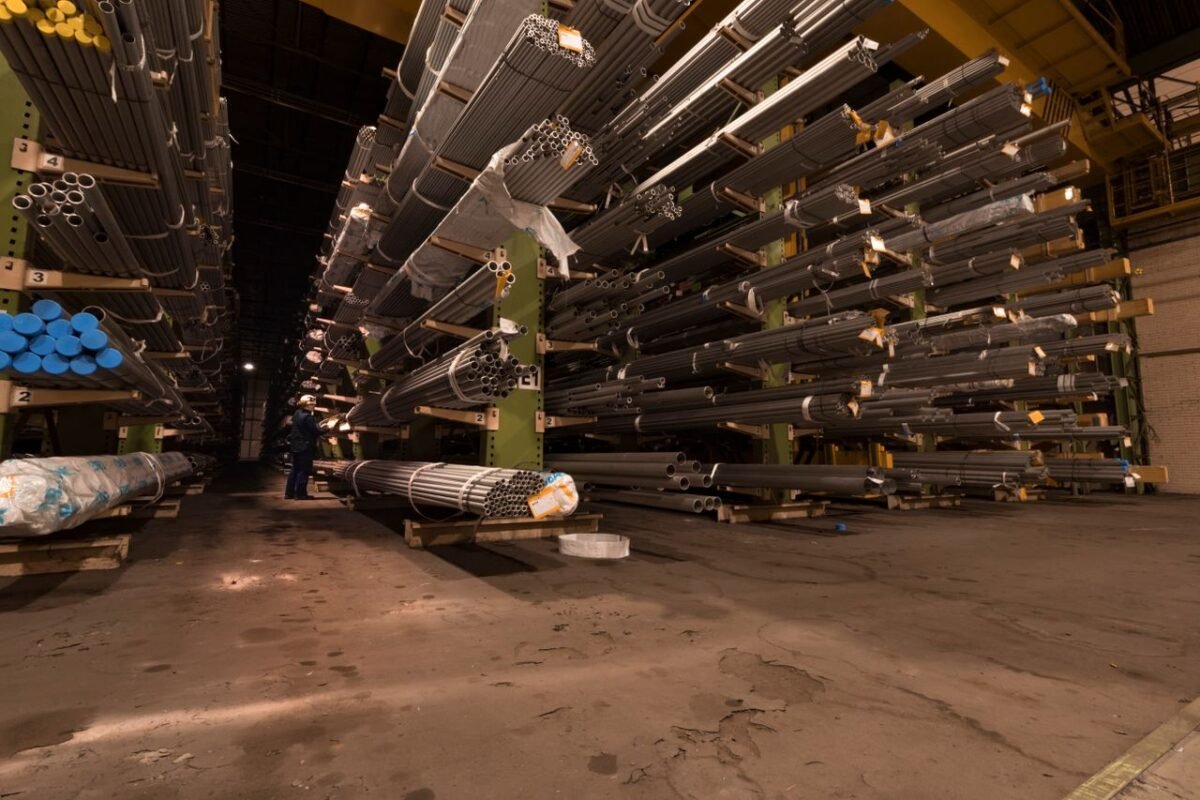
- Keep metal off the floor. Concrete floors hold moisture and stay cool. Use pallets, dunnage or racking. Long products such as pipes and bars are best stored on cantilever racks.
- Allow air circulation. Leave gaps between stacks and between stacks and walls. Stagnant air in tight corners is where condensation lingers.
- Control door openings. Opening doors to warm, humid air in the early morning, when goods are coolest, invites condensation. Plan receiving and dispatch to minimise the time doors stand open.
- Acclimatise incoming goods. Leave cartons closed for a while after arrival so they warm up gradually rather than being opened while still cold.
- Fix roof leaks and gutters before the monsoon. Our guide to monsoon preparedness for warehouses covers the building side.
- Monitor humidity. A simple hygrometer tells you when conditions are risky. Dehumidifiers or ventilation can be used in enclosed storage rooms for high-value items.
- Segregate from corrosive goods. Fertilisers, salts, acids and some chemicals release vapours that accelerate corrosion. See warehouse segregation rules.
Stock rotation and inspection
Corrosion is a function of time as well as conditions. Metal goods that sit unsold for long periods are the ones most likely to arrive at customers with rust. A first-in, first-out policy keeps older stock moving; our article on FIFO and FEFO picking explains how to apply it. Slow-moving stock should be inspected periodically, with packaging opened on a sample basis, so that early surface rust can be cleaned and re-protected before it spreads. Our guide to dead stock management covers what to do with goods that are not moving.
Common mistakes and their consequences
| Mistake | What happens |
|---|---|
| Galvanised sheets stacked tightly while wet | White rust forms between sheets, appearance spoiled |
| Opening sealed VCI packaging for display and not resealing | Protection lost, rust starts on exposed parts |
| Storing steel on bare concrete | Moisture wicks up, bottom layers rust first |
| Removing factory oil before storage | Machined surfaces mark within a short time |
| No inspection of slow-moving stock | Rust discovered only when the customer opens the box |
What to do when rust is found
Light surface rust on many steel products can be removed and the surface re-protected, but the right method depends on the product and its use — abrasive cleaning on a precision surface can cause more harm than the rust itself. For galvanised goods, light white rust can often be dried out and will stabilise, while heavier deposits may need assessment. Record what you find, separate affected stock, and photograph it, especially if the rust appeared on arrival, which may support a claim. Our guide to overage, shortage and damage reporting explains how to document it.
A worked example: a fastener importer before the monsoon
Picture a hardware importer in Narayanganj holding several months of stock of zinc-plated bolts, nuts and washers, plus some uncoated steel brackets. In previous years, the bottom cartons of each stack came out with rust spots after the rainy season, and contractors rejected them. This year the importer takes a different approach before the monsoon begins.
All cartons are lifted onto pallets, with a gap left between the stacks and the outer wall. The uncoated brackets are re-bagged in VCI bags with a desiccant sachet, because the original packaging was opened for counting. Galvanised and plated goods are kept in their sealed inner bags. A hygrometer is placed in the storeroom and checked daily; on very humid mornings, the shutter is kept closed until the day warms up, and receiving is scheduled for later in the day. Older stock is moved to the front of the picking area so it sells first. Nothing here is expensive, but it changes the conditions that caused the previous losses.
Insurance and claims for corrosion damage
Marine cargo insurance policies vary in how they treat rust and corrosion, and some exclude damage caused by inherent vice or inadequate packing. Read the policy wording before shipping metal goods, and make sure packaging meets the standard the insurer expects. If rust is found on arrival, report it promptly with photographs, packing details and the survey report. Our guide to marine cargo insurance clauses explains the differences between cover levels.
Every product, factory and shipment is different, so we do not publish fixed fees or timelines for warehousing and storage of metal goods. Tell us what you are importing and ask us for a quote built around your needs. You can also browse our full list of services, see how our China sourcing and buying agent service works, or explore products in our shop.
